
The white lie that taught me to build apps
I told a bus company I could build them an app. I couldn't — not yet. That one small lie set off the chain of events that became my first business.

I never set out to learn how to build mobile apps. I fell into it the way I’ve fallen into most things — by saying I could do something before I actually could, and then making it true.
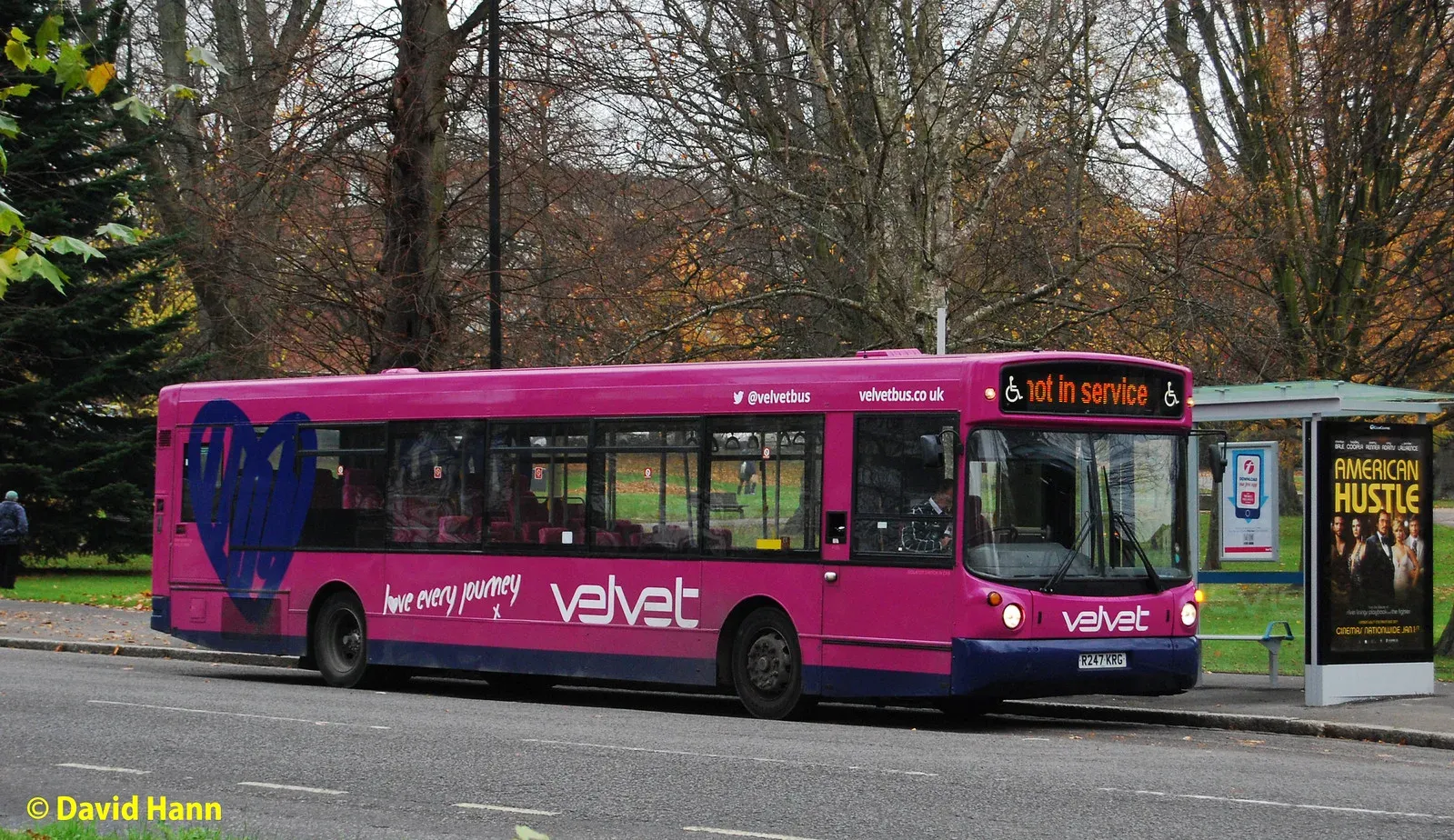
By the time I started at Barton Peveril Sixth Form College, I’d already taught myself to build websites at the tail end of secondary school. That summer before college I wanted to test the skill on something real: a real site, for a real client, not another practice project. So I emailed Velvet, the company that ran the bus I caught to college every morning. The brand was genuinely lovely — a bright pink-and-purple bus you couldn’t miss — and I wanted to work on it. It had been designed by a guy called Mikey Nevitt, and it was Mikey who eventually replied.
They ignored my first mockup. I don’t blame them — it wasn’t good enough. But I went away, did more work, and sent another, and that one caught Mikey’s attention. He invited me out for a coffee, and a little later I met Phil Stockley, Velvet’s managing director. A few weeks after that, I published their new website. I was over the moon when the first cheque arrived. I’d invoiced them £950; they sent me £1,000, because they were happy with it. That detail has stayed with me for years.
It wasn’t long before I emailed Phil again with a different idea. As a passenger, it drove me mad not knowing where the bus actually was — especially when it was late, or raining, which around here it usually was. Keeping a reliable timetable for a college full of students is genuinely hard, and I thought there had to be a better answer than standing at a stop guessing.
Phil wrote back to say he was about to meet a man named John Clarfelt from Ticketer, who were trying to sell Velvet their new ticket machines — cutting-edge kit with GPS built in. Phil invited me along. Sitting in that meeting, I told Phil and John I could build an app so passengers could see exactly where the buses were.
That wasn’t strictly true. I didn’t know how to build apps yet. But the words were out, and now I had to deliver.
I started with PhoneGap, an Adobe technology that let me wrap my web skills into a hybrid mobile app — the fastest way from what I knew to what I’d promised. It worked, but the quality wasn’t close to what I wanted. So I taught myself Java and Objective-C and rebuilt it properly, natively. Every time I hit the ceiling of what I could do, I learned the next thing I needed, exactly when I needed it.
That app became Find My Bus, and Find My Bus became my first company. Phil backed me well beyond that first meeting — he helped me set up the company, came on board as a shareholder, and introduced me to contacts right across the bus industry, doors a teenager with a hunch would never have opened alone. It started in 2013, and I sold it seven years later, in 2019 — by then rebranded as RYGO. (Selling it turned out to be its own strange lesson.)
All of it traces back to one small overstatement in a meeting I probably shouldn’t have been in. I don’t recommend lying. But I do recommend the version of it I keep coming back to: commit to the thing out loud, then go and make it real. A promise you’re a little scared of is one of the best teachers there is.