17 years building software. One founder. A whole engineering team.
The usual founder risk is whether they can build it. I’m a British entrepreneur who’s built and exited one company, and I run a fleet of AI agents to build the next end to end — database to on-device model.
The usual founder risk is whether they can build it. I’m a British entrepreneur who’s built and exited one company, and I run a fleet of AI agents to build the next end to end — database to on-device model.
Scroll down to see what I've built
So — what do I actually do?
I build every layer, by myself:
Most people hear “technical founder” and picture a coder in a hoodie. The plainer version: I take an idea and build the entire product myself, start to finish.
Websites, web apps, mobile apps, the backend systems that run them, the AI inside them — everything a company needs, built end to end by one person. Years of building it all is what lets me choose the right integrations and intertwine every moving part into one product that works as a whole.
Websites
Mobile apps
APIs
Dashboards
Automations
Infrastructure
Websites
Mobile apps
APIs
Dashboards
Websites
Mobile apps
APIs
Dashboards
Automations
Infrastructure
Websites
Mobile apps
APIs
Dashboards
Backends
AI models
Databases
Integrations
Design systems
Web apps
Backends
AI models
Databases
Integrations
Backends
AI models
Databases
Integrations
Design systems
Web apps
Backends
AI models
Databases
Integrations
Dashboards
Automations
Infrastructure
Websites
Mobile apps
APIs
Dashboards
Automations
Infrastructure
Websites
Dashboards
Automations
Infrastructure
Websites
Mobile apps
APIs
Dashboards
Automations
Infrastructure
Websites
Integrations
Design systems
Web apps
Backends
AI models
Databases
Integrations
Design systems
Web apps
Backends
Integrations
Design systems
Web apps
Backends
AI models
Databases
Integrations
Design systems
Web apps
Backends
Websites
Mobile apps
APIs
Dashboards
Automations
Infrastructure
Websites
Mobile apps
APIs
Dashboards
Websites
Mobile apps
APIs
Dashboards
Automations
Infrastructure
Websites
Mobile apps
APIs
Dashboards
Backends
AI models
Databases
Integrations
Design systems
Web apps
Backends
AI models
Databases
Integrations
Backends
AI models
Databases
Integrations
Design systems
Web apps
Backends
AI models
Databases
Integrations
So — what do I actually do?
I build every layer, by myself:
Most people hear “technical founder” and picture a coder in a hoodie. The plainer version: I take an idea and build the entire product myself, start to finish.
Websites, web apps, mobile apps, the backend systems that run them, the AI inside them — everything a company needs, built end to end by one person. Years of building it all is what lets me choose the right integrations and intertwine every moving part into one product that works as a whole.
1 = 20
The multiplier
What used to take a room of twenty now takes one.
Building a company used to mean hiring a team, managing it, and waiting on the handoffs between them. It doesn’t anymore. I hold the whole system in my head and run a fleet of AI agents to build it — so one founder can take a product from empty repo to shipped, with the output of an engineering org and none of the drag.
A comparison: on the left, a conventional engineering team of about twenty people across ten roles. On the right, one person — Joel, the orchestrator — delegating to multiple AI agents across four key areas: research, build, review and ship.
The old wayHire · Manage · Wait
Frontend×3
Backend×4
Mobile×3
ML Engineer
DevOps×2
QA×2
Product Manager
Designer×2
Data
Eng Manager
≈ 20 people
→
The new wayOne orchestrator · a fleet of agents
JoelOrchestrator
Research
Research agent
Docs agent
Build
Frontend agent
Backend agent
Mobile agent
Review
Review agent
Test agent
Ship
Deploy agent
Release agent
One brain, end to end
Product
Design
Frontend
Backend
Mobile
On-device ML
Infra
Data
Not a claim — it’s the same range that took Manuva’s movement model on-device, running on real hardware, in a matter of weeks.
01
No coordination tax
One mind holds the whole system. No handoffs, no telephone game between six teams, no day lost to standups. Decisions happen in the same head that executes them.
02
Context that compounds
The person who designed it builds it, ships it, and fixes it at 2am. Nothing gets lost in translation, because there is no translation.
03
Speed, architecture intact
Agents do the volume. A career’s worth of judgment decides what is worth building and keeps it from rotting six months in. Fast without breaking — the whole point.
One founder, shipping like a whole team. Building something hard? Let’s talk.→
Life & work
The story so far
Scroll the timeline↓
01
Chapter 1Spawned in SouthamptonLife
Joel Kidd
1996
Where it all starts. Born on 10 May 1996 and self-taught in code from the age of thirteen — every company and project that follows grew out of that early head start.
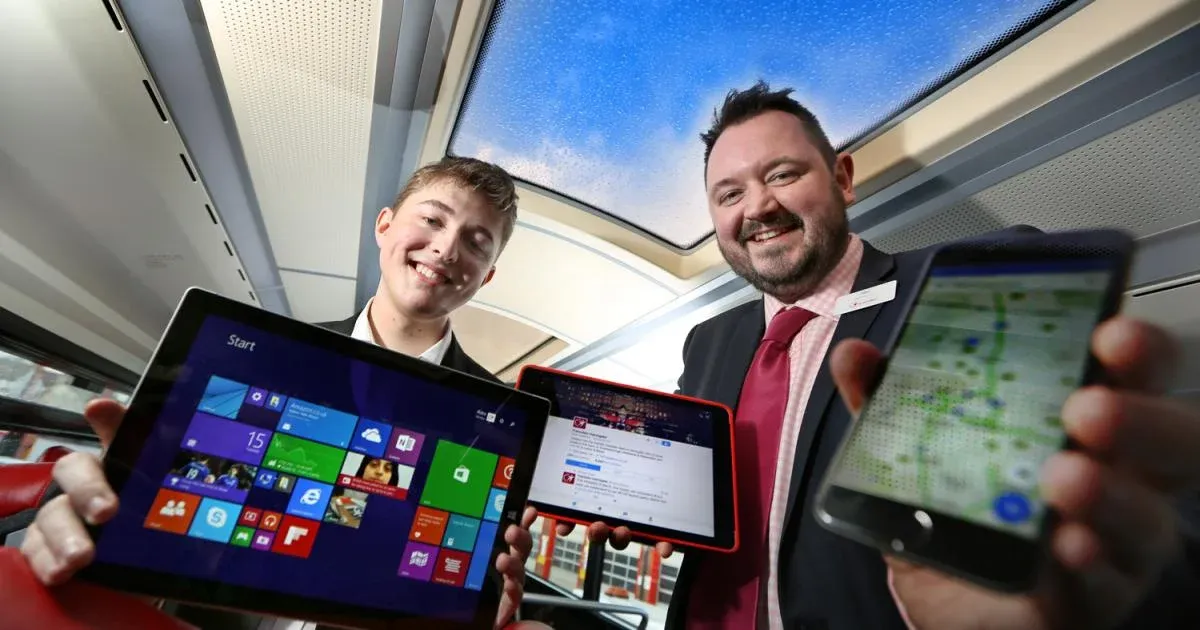
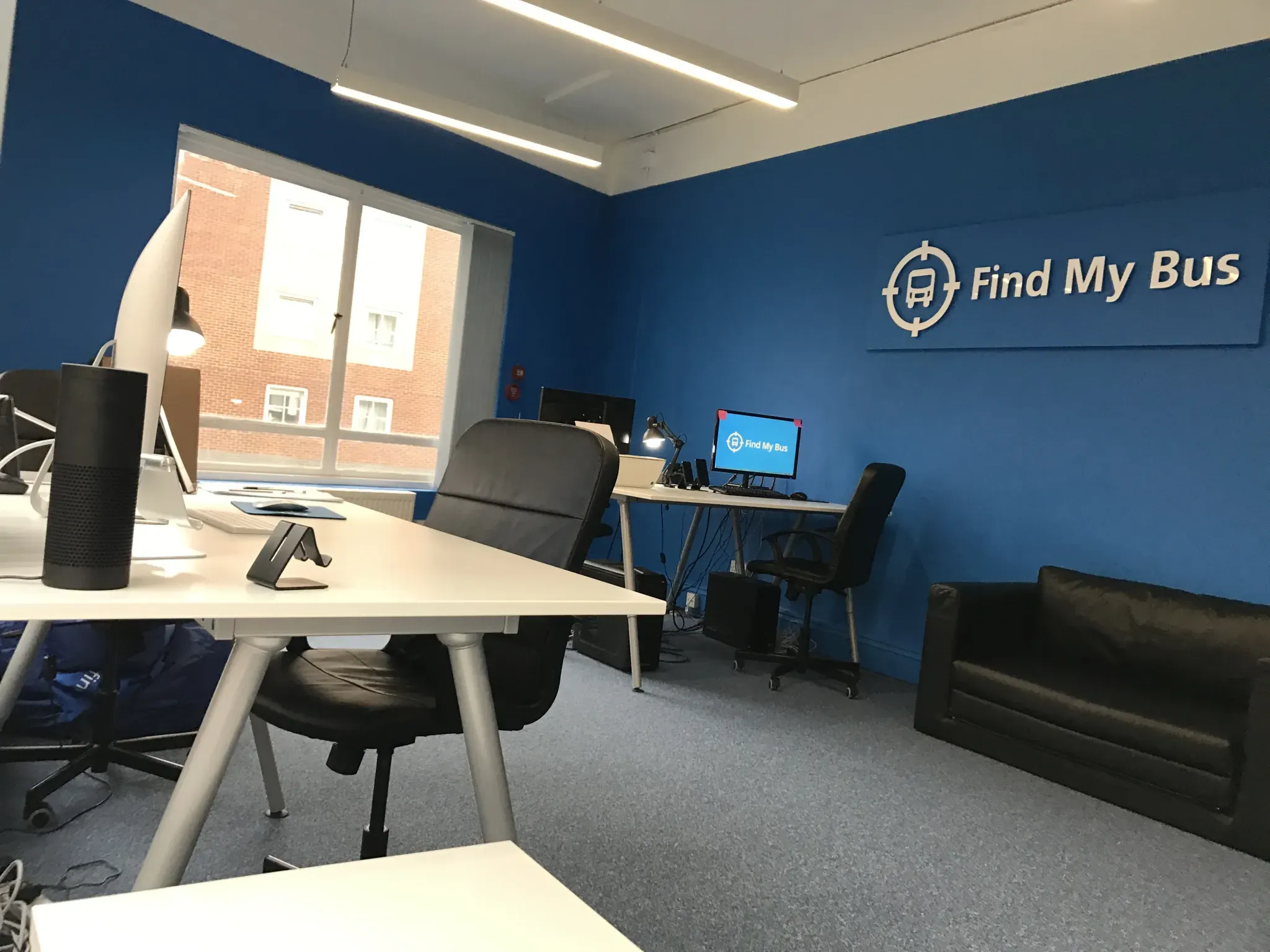
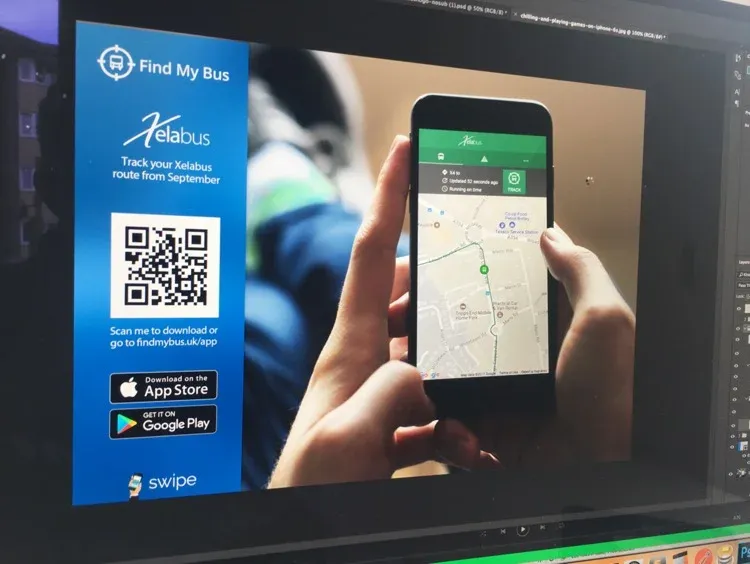
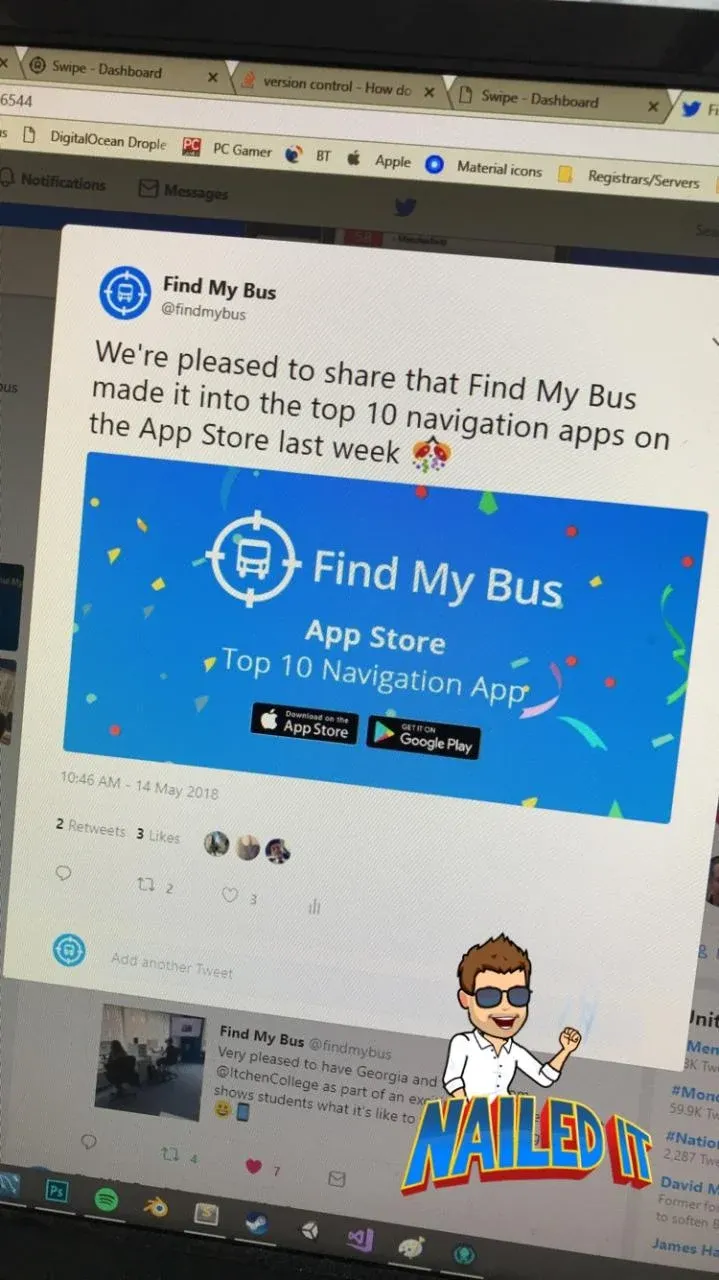
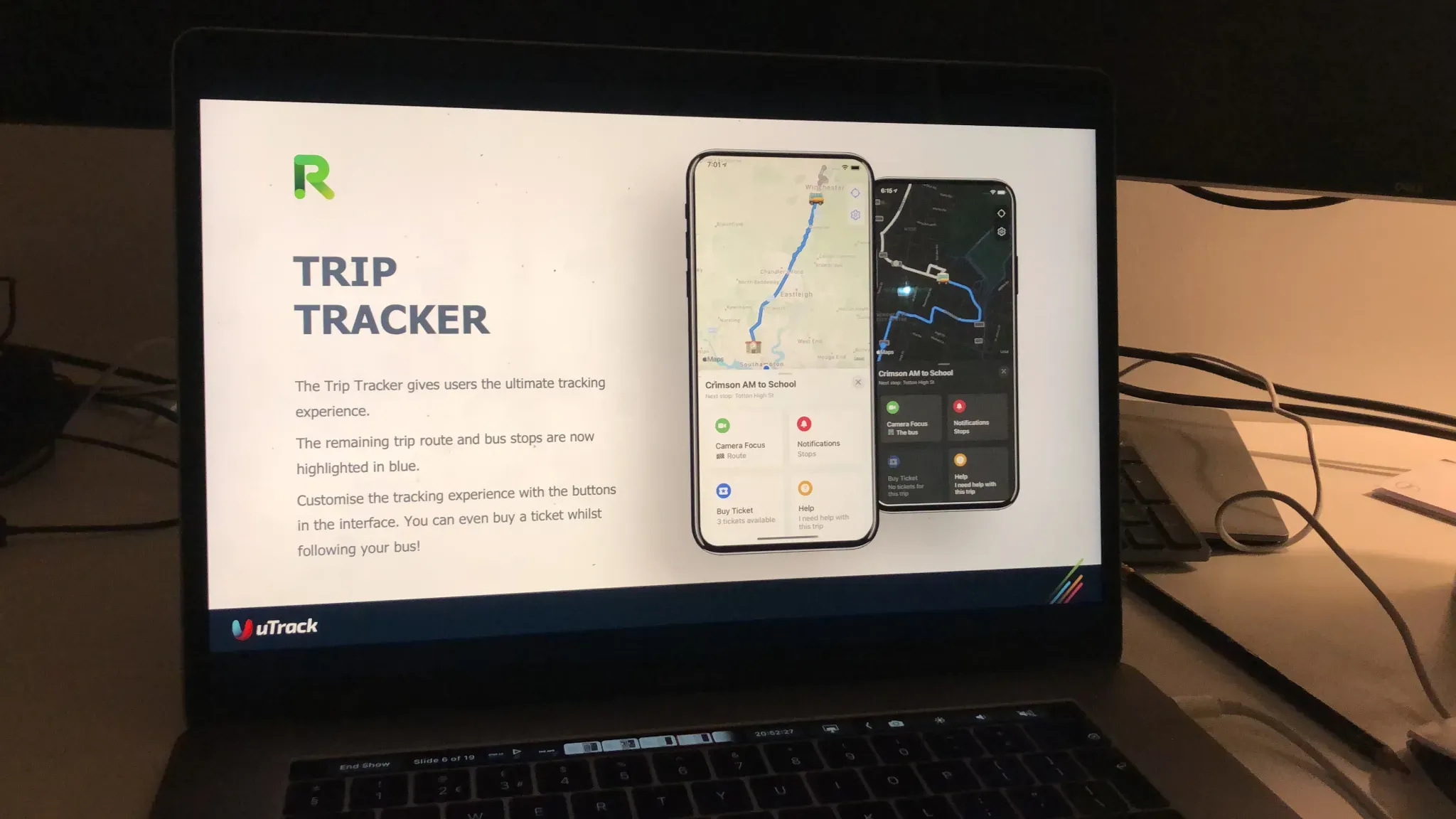
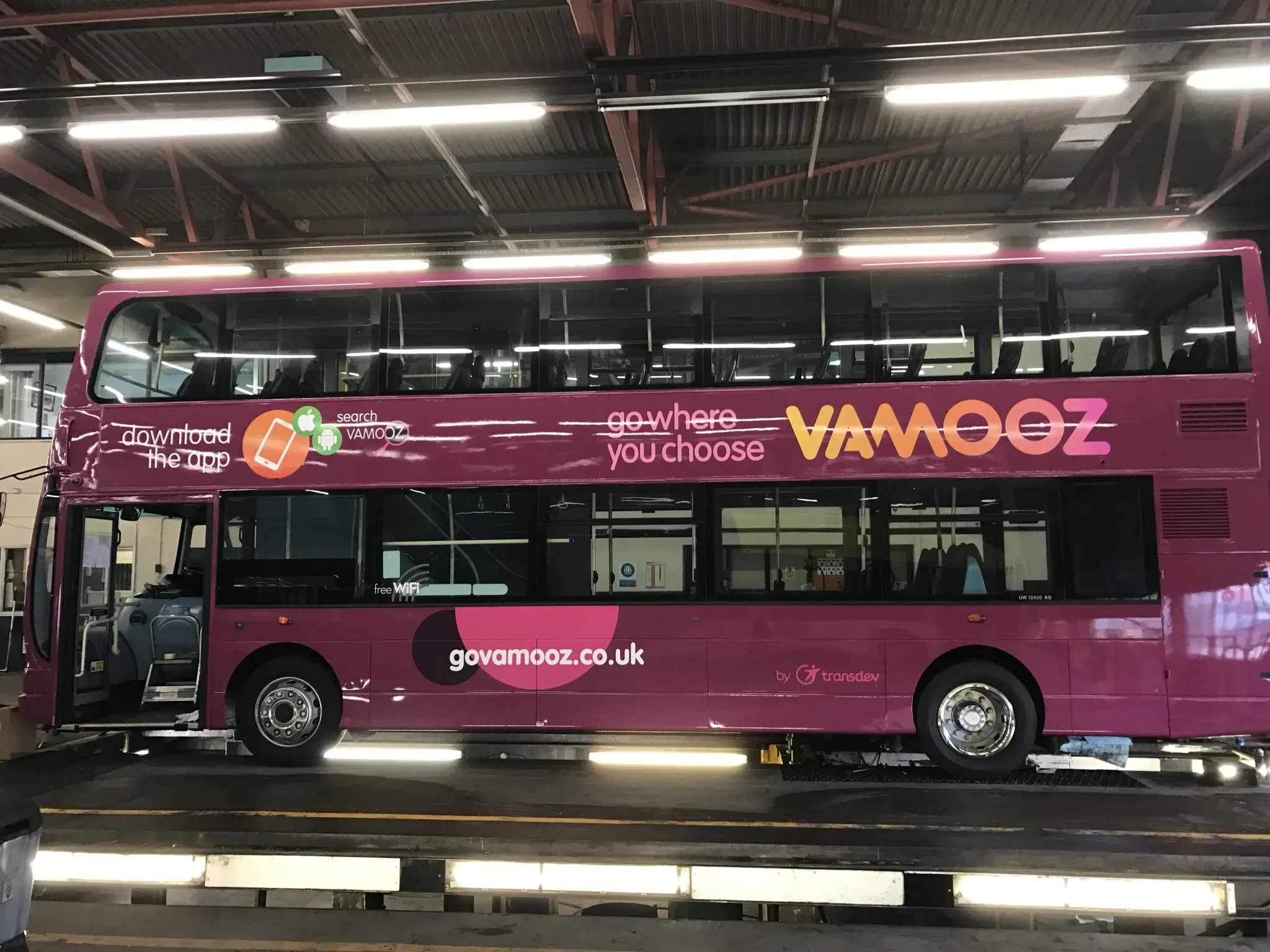
Where it began — real-time transport tracking, founded at 17 after a bus never showed. Grew from a single route into a suite of apps and websites serving major UK & Ireland operators, including the DVLA, and attracted investment from the transport group Transdev.
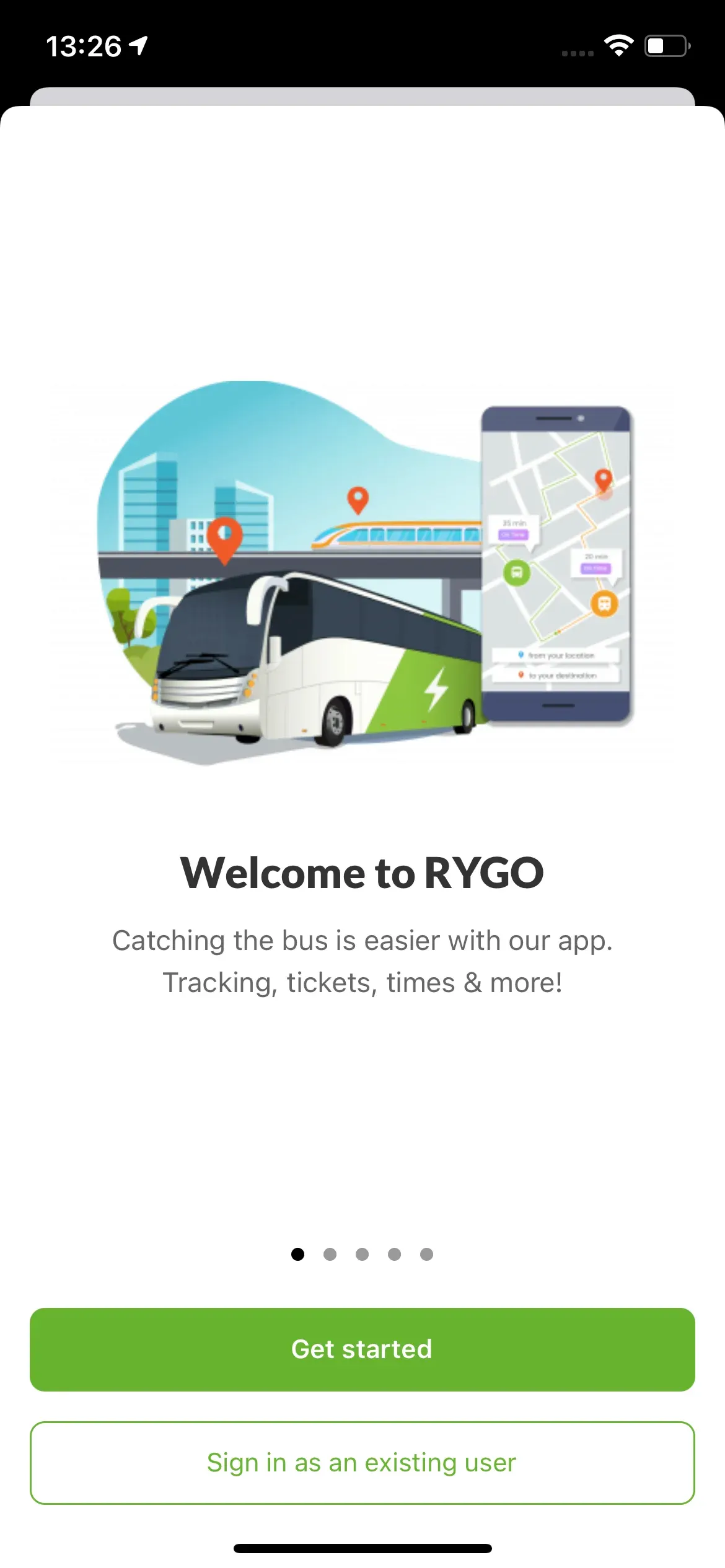
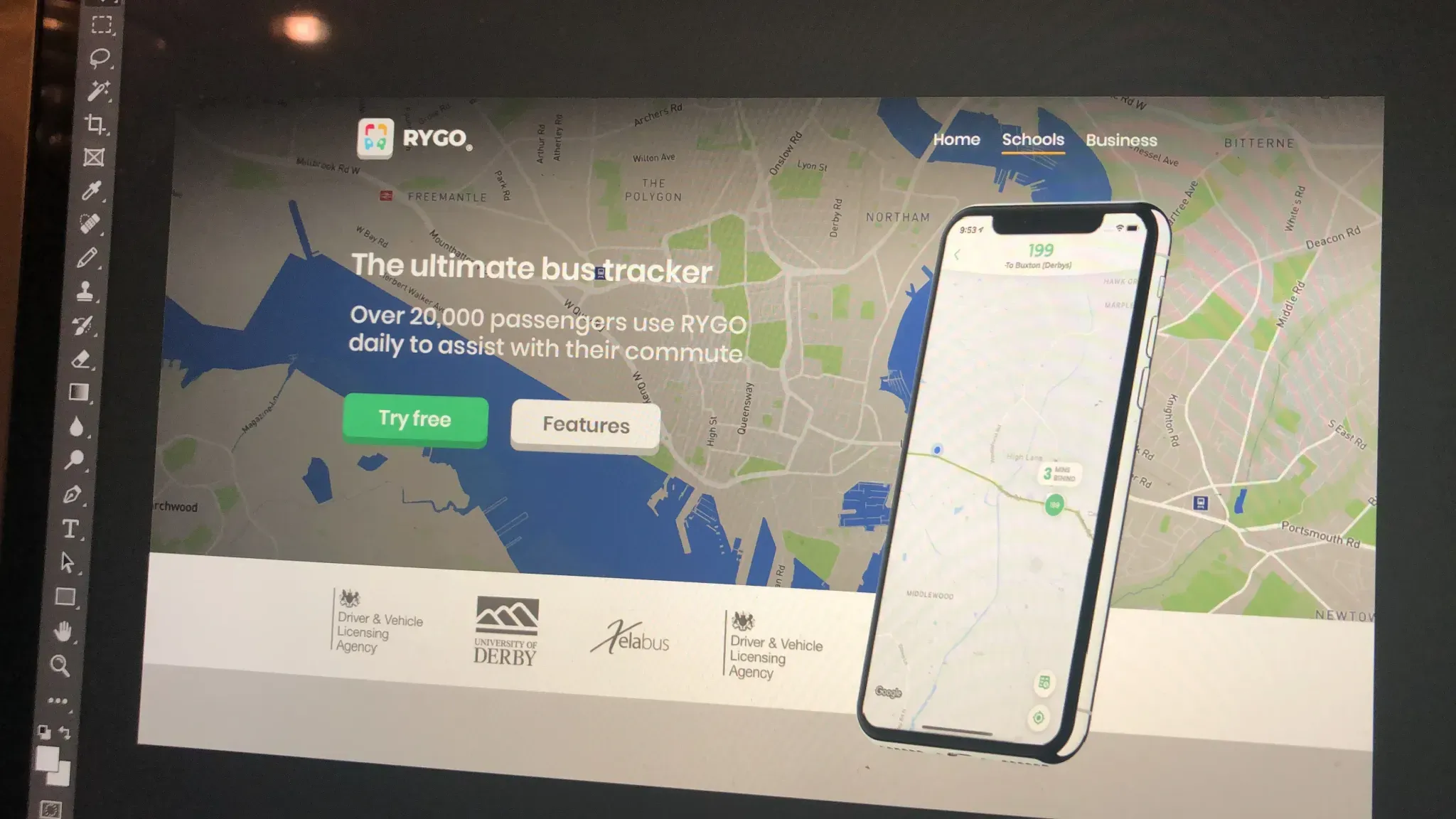
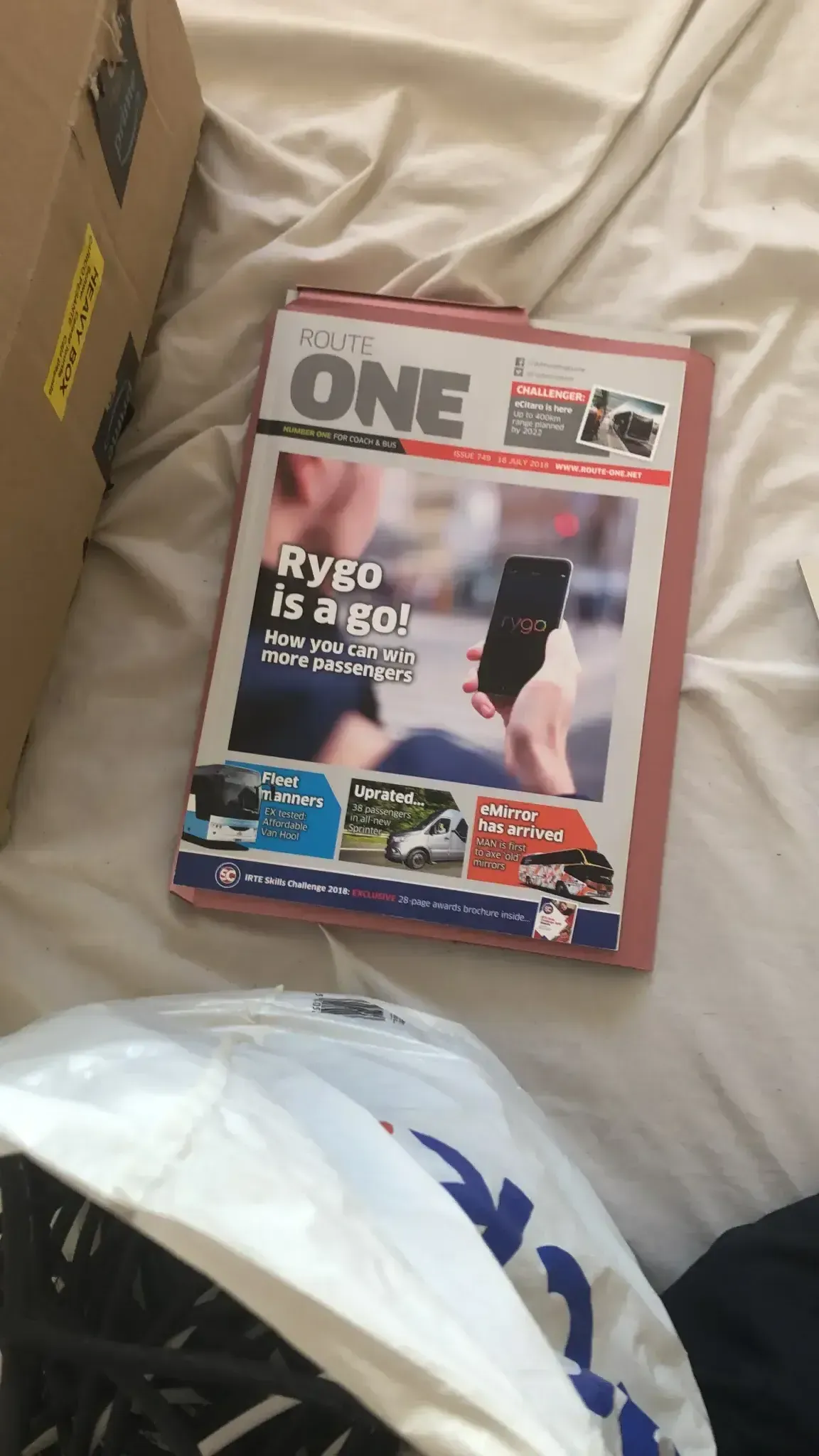
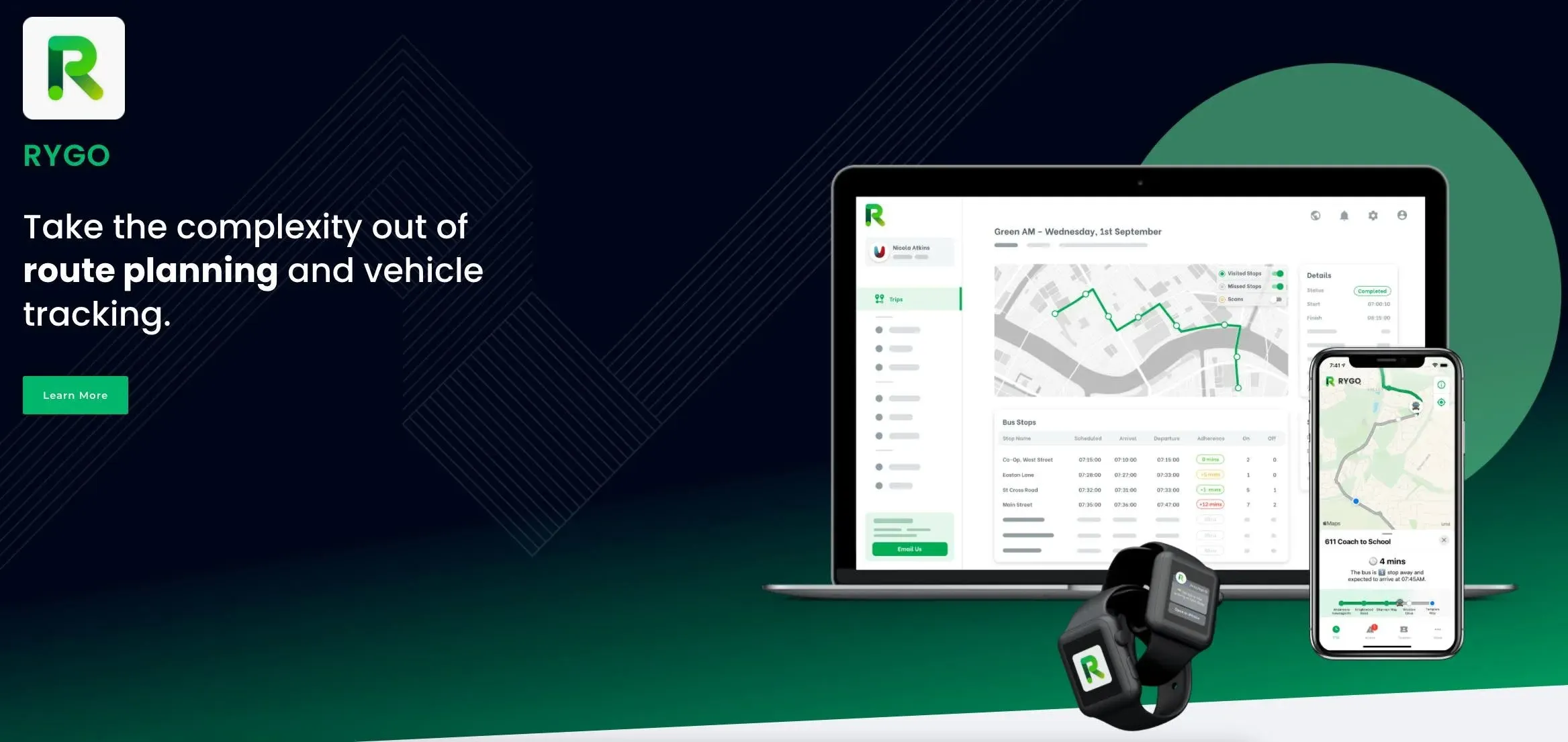
The rebrand of Find My Bus into RYGO — the same real-time transport network, carried through to an exit. Ran alongside VAMOOZ on the same platform and was acquired by uTrack in 2020, later acquired by Ridango.
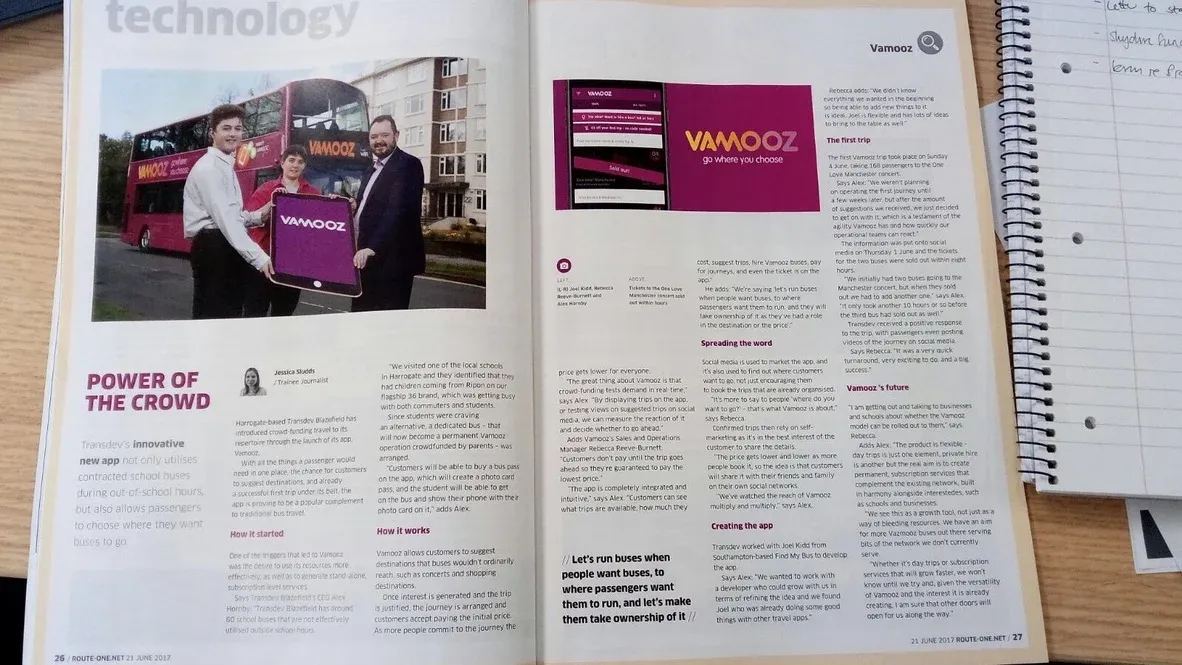
An award-winning crowdfunded travel app: groups pooled demand for a coach trip or school pass, and the journey only ran once enough people committed. Built alongside Find My Bus, it processed over £1M before being acquired in 2020.
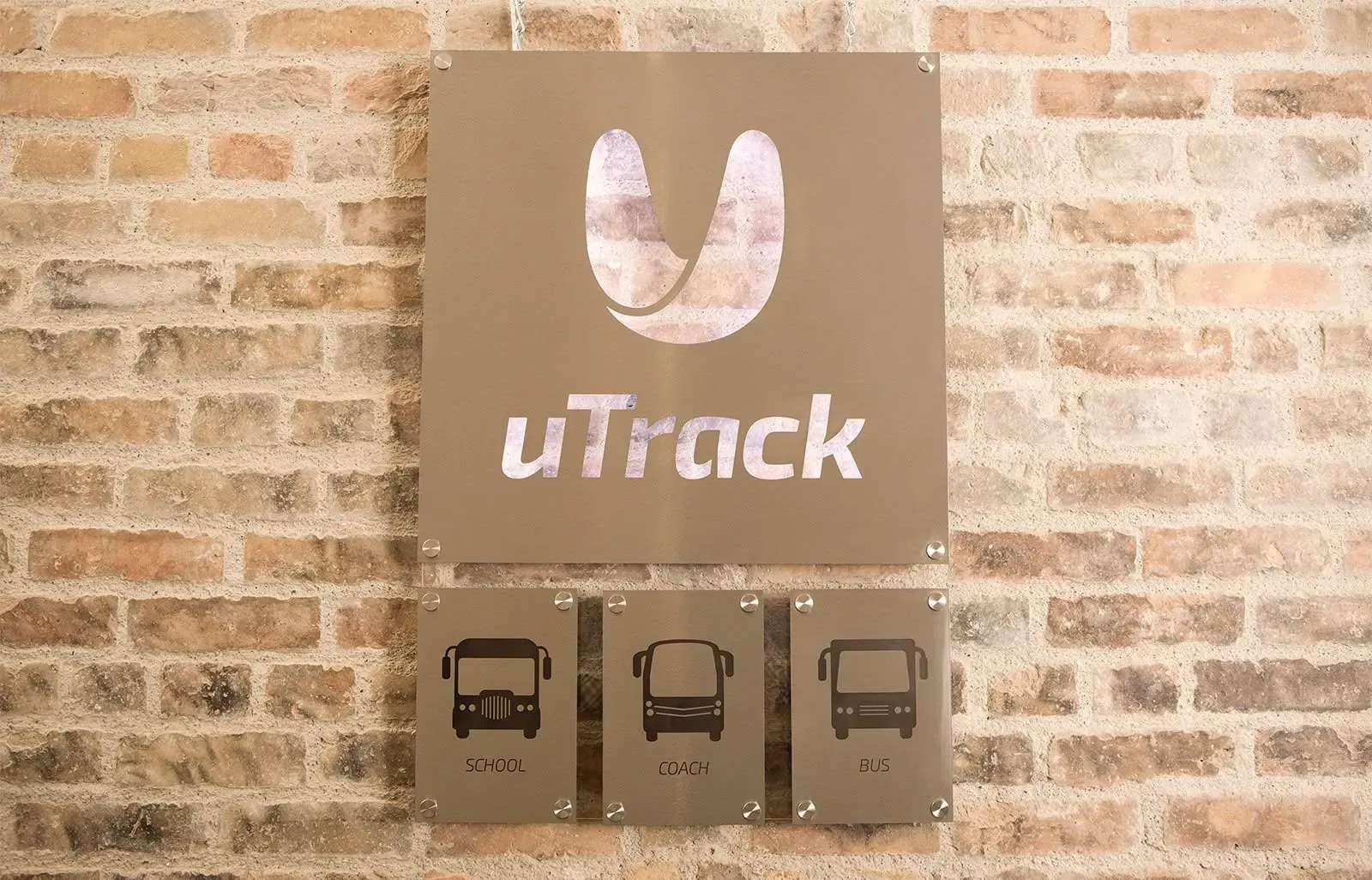
The transport group that acquired RYGO. I joined to fold RYGO into the wider uTrack platform — carrying the real-time network, apps, and users across into the business it became part of. uTrack was later acquired by Ridango.
the utrack platform
the utrack office
2020
joined · folded in RYGO
06
Chapter 6Wound downCompany
EaseUp
Founder & CEO · 2023 – 2025
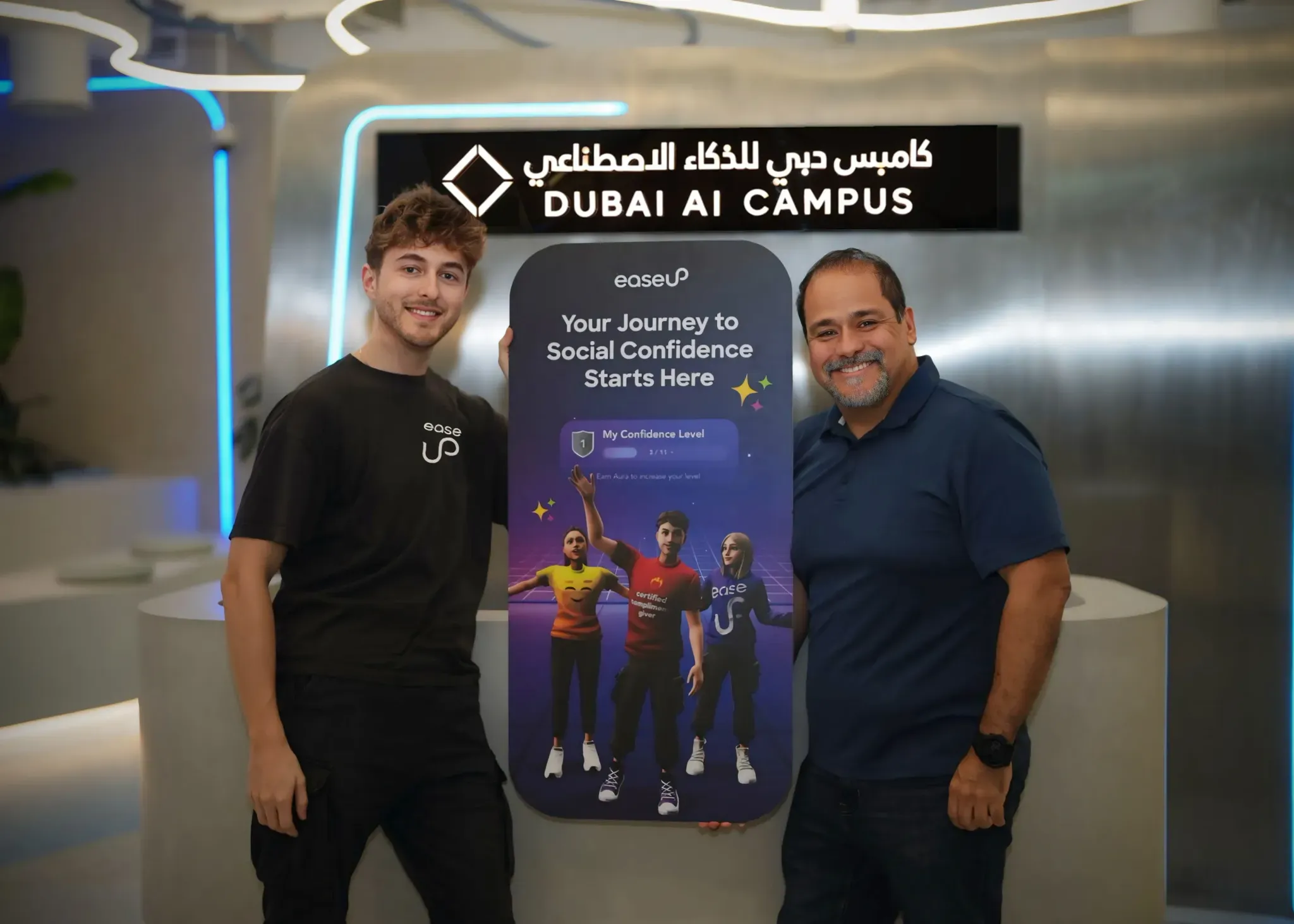
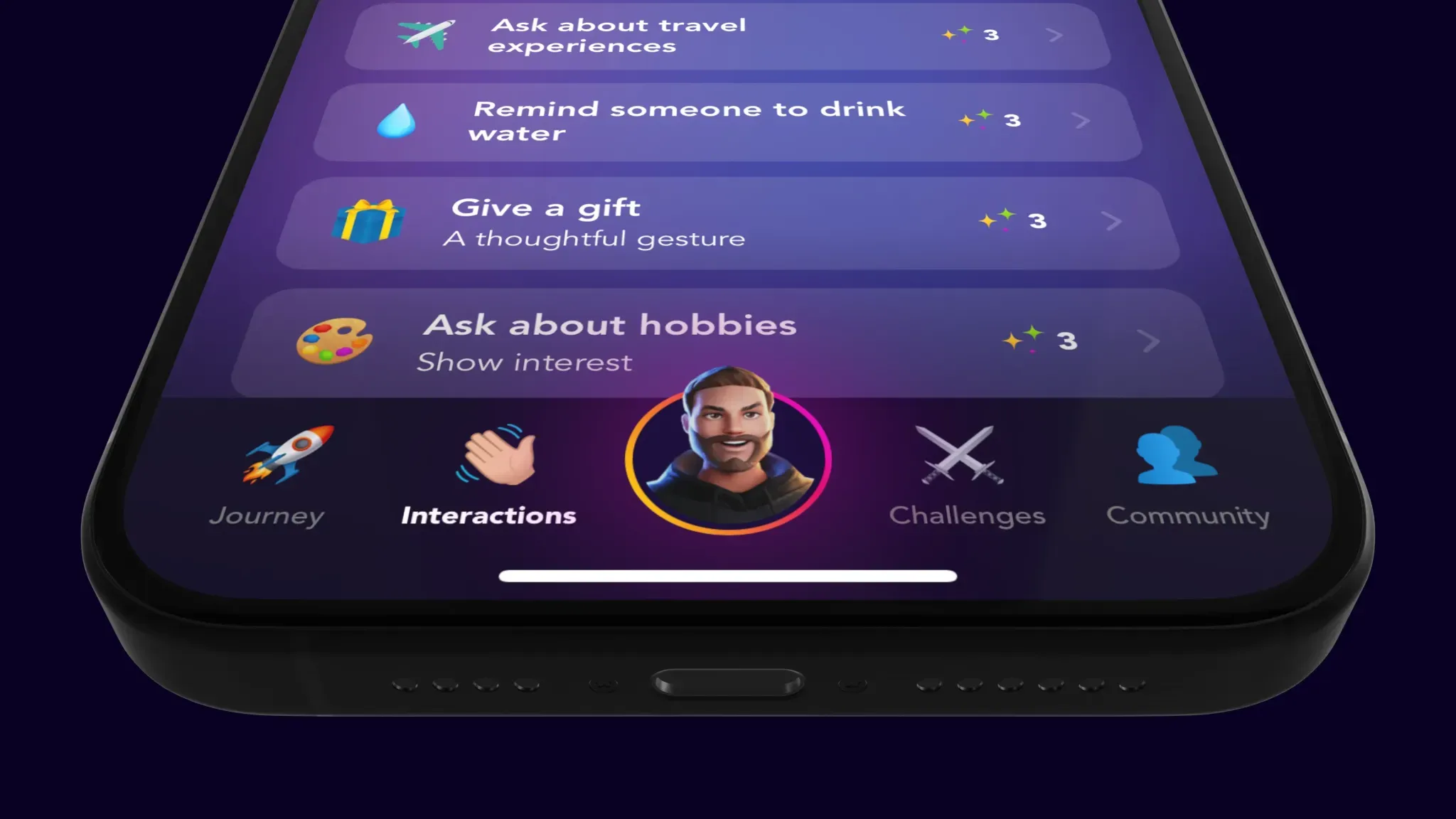
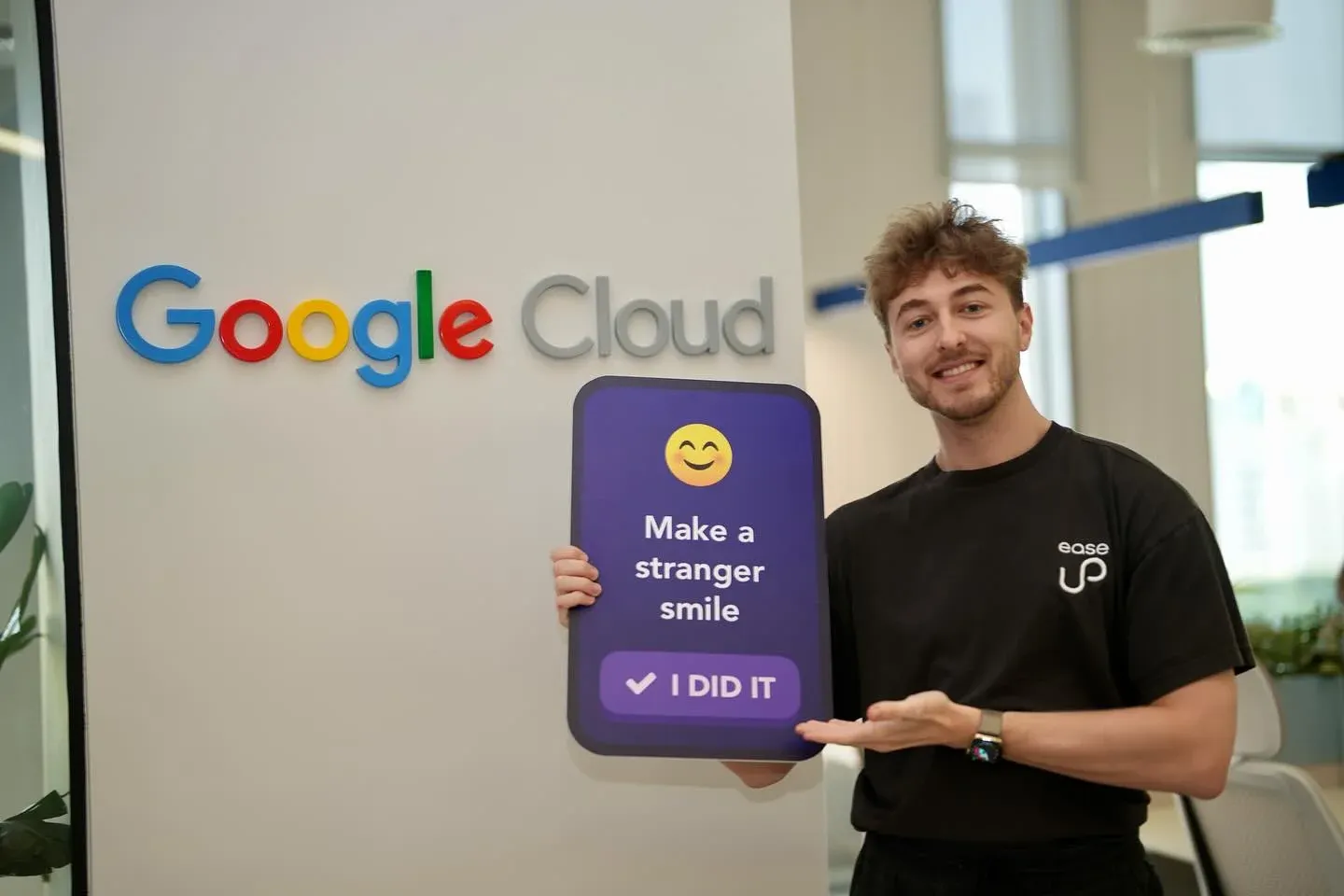
A mobile app to build confidence and overcome social anxiety, born from personal experience. Launched in 2025 to 5M impressions and ~1,000 users within a month, then wound down after a core dependency was shut down.
AI movement-intelligence platform for schools — a hardwareless iOS app that uses on-device pose estimation to scan how students move and flag development deficiencies early, then reshapes each student’s PE curriculum around the weaknesses it finds.
Seventeen years and three ventures means a lot of people in the room — the operators, backers, and platforms I’ve built with along the way.
TransdevInvestor · Find My Bus
DVLAClient · RYGO
uTrackAcquired RYGO
StagecoachClient · RYGO
SodexoClient · RYGO
COP26Client · RYGO
TransdevInvestor · Find My Bus
DVLAClient · RYGO
uTrackAcquired RYGO
StagecoachClient · RYGO
SodexoClient · RYGO
COP26Client · RYGO
Google CloudPlatform · EaseUp
FirebasePlatform · RYGO
AWSPlatform · EaseUp
Ready Player MeAvatar stack · EaseUp
Google CloudPlatform · EaseUp
FirebasePlatform · RYGO
AWSPlatform · EaseUp
Ready Player MeAvatar stack · EaseUp
Off the clock
A whole life outside the build.
Most days it’s companies and code. The rest is Dubai, travel, F1, and the odd throwback to the kid who started all this at thirteen. I post it here — come say hi :)


 Joel Kidd